October 1, 2026
Lipo- Does It Last? And The Number Of Fat Cells Do We Have?
By @spencerrsmr897
Lipo- Does It Last? And The Amount Of Fat Cells Do We Have?
Not eating blood glucose degrees and postprandial insulin degrees were elevated in HCH computer mice (Fig. 5d, e), yet neither glucose tolerance neither insulin level of sensitivity suffered when compared with CCH mice (Extended Information Fig. 10d-- g). Leptin levels in HCH computer mice went back to H computer mice levels, whereas CCH mice did not show a substantial rise (Fig. 5f). Adipocytes in epiAT from HCH computer mice were larger generally, resembling the adipocyte dimension circulation of H mice, LA Lipo Arms toning and sculpting whereas epiAT adipocytes from CCH mice were similar to those in CC_s computer mice (Extended Information Fig. 10h).- No cosmetic procedure, surgical or non-surgical, is intended for weight-loss.
- Further analysis revealed that numerous DEGs in the HCH group were changed throughout obesity but recovered after WL in HC computer mice.
- These 2 hormones are more powerful than willpower, much more powerful than self-control, and a true "dieter's nightmare"!
- Finally, the systemic influence on nutrient accessibility exists as the loved one flux of sugar, triglycerides (TG) and complimentary fats (FFA).
C, PCA of translatome (TRAP-- seq) of identified adipocytes from C, CC_s, CC_l, CCC, H, HH, HC and HHC. D, MOFA plots revealing the sample clustering along unexposed Aspects 1 and 2 (left) and Element 1 worth distribution (right) throughout labelled adipocytes. For each duplicate all six techniques are represented in one dot. E, Portion of variance described by each MOFA element throughout among six modalities. F, Dynamics of differentially H3K4me3-marked marketers (y axis) from H to HC. G, Characteristics of differentially H3K27me3-marked marketers (y axis) from H to HC.
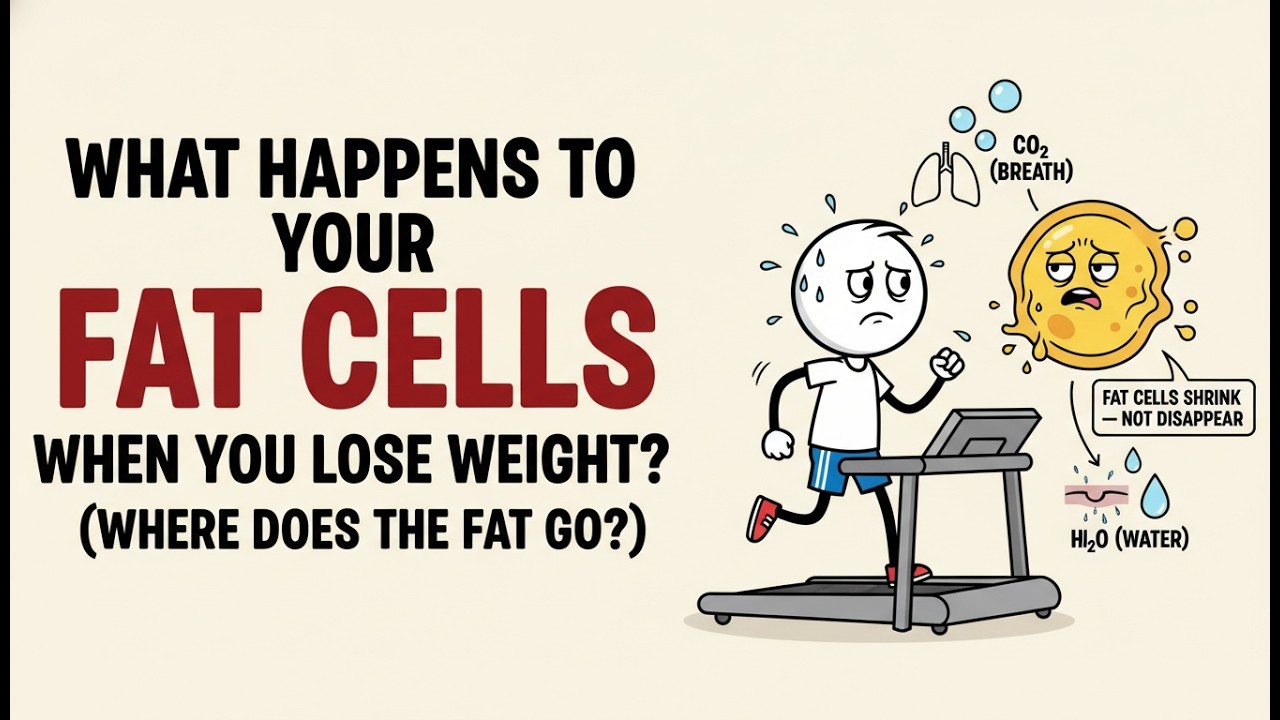
Because adipocytes are extra susceptible to cool than lots of nearby frameworks, frozen fat cells may go into apoptosis, a kind of set cell death. They want to know whether the cured fat cells are relocated, reduced, or permanently changed, and whether those adjustments affect total health or lasting shape. Weight gain happens when we overeat and fat cells increase from 2/3 full in the direction of 100% complete. Yet our initial 30 billion fat cells, that normally consist of an overall of 30 pounds of body fat, can only hold an extra 15 lbs approximately. Fat cells can differ in size from 20% full of fat (little and starving!) to 100% full (plump and packed!).Cut & Tag And Atac-- Seq Information Processing And Analysis

A DEG was considered recovered if it was no more decontrolled in WL cells when compared with controls. Otherwise recovered, we considered a DEG part of a transcriptional memory. Collections recognized as similar cell types (as an example, three collections of endothelial cells) were merged for DEG metrology but not differential expression evaluation itself. For human snRNA-seq, only cell types for which we obtained at least 30 cells per donor were considered for the retention evaluation.
Information Assimilation And Differential Expression Evaluation For Human Snrna-seq
The epiAT of obese computer mice (H and HH) revealed immune cell infiltration and apical fibrosis, which partly boosted after WL in HC, yet not HHC, computer mice (Extended Data Fig. 5t-- v). Masson's trichrome discoloration revealed more collagen deposition in epiAT after WL (Extended Data Fig. 5z). Generally, after WL, just a few moderate metabolic impartments persisted, consisting of glucose intolerance in HC mice, hyperinsulinemia and small liver steatosis in HHC computer mice and a notable reduction in epiAT depot dimension after WL in both teams. Energy-restricted weight-loss from obesity is accompanied by a decreased sympathetic (SNS) tone (63-- 68) and reduced thyroid hormonal agent degrees (63,69-- 71). As opposed to the results on SNS, the impact on thyroid hormones is observed less constantly and/or is extra transiently connected to the onset of weight management (69,72,73).Assessing adipogenesis capacity, we located that the SVF from epiAT of HC and HHC mice collected lipids in action to insulin yet failed to distinguish, unlike controls (Extended Information Fig. 10b). Adipogenesis was slightly impaired in the SVF from ingAT of WL mice compared with controls (Extended Data Fig. 10c). These searchings for indicate that consistent mobile memory confers phenotypic consequence ex vivo.
Energy expenditure and food consumption revealed no differences in between HC and CC_s mice after WL (Extended Data Fig. 5k, l). Liver triglyceride build-up was stabilized (to manage levels) in HC, and many HHC, computer mice. In a similar way, C and H computer mice, and CC_s and HC mice, did not differ in the amount of lean mass nor did HC mice shed lean mass (Extended Information Fig. 5o). Obese H computer mice had larger subcutaneous inguinal AT (ingAT), epididymal AT (epiAT) and brownish AT (BAT) depots than corresponding control mice (Extended Data Fig. 5p, q).Seclusion Of Centers From Human Cells
We guess that this may happen due to the fact that leptin, and probably insulin, degrees show both the amount of saved lipid and the size of the constituent adipocytes (87 ). Smaller adipocytes produce less leptin and result in reduced flowing levels for an offered fat mass. Smaller adipocytes are also much more insulin delicate (45,46), which presumably suggests they need reduced circulating levels of insulin to give the very same metabolic control. The reduction in cell dimension and the loss of overall fat mass, for that reason, may contribute individually to the decrease in leptin and insulin. If new, extremely little adipocytes are created early in the regression procedure, the effect of cell dimension could be compounded. No matter, the incorporated adiposity signal communicated to the mind is that the overall power books are reduced which the adipocytes are much listed below their ultimate capability to store energy. Even if some treated fat cells are removed from the area, remaining fat cells still exist neighboring and in without treatment areas. Those cells can still enlarge later if a client experiences weight gain. Relying on the modern technology, both ideas may be discussed, but numerous preferred treatments are specifically created so that fat cells die with controlled injury. In cryolipolysis, for instance, direct exposure to cold can set off fat cell death without harming most surrounding tissue. If you have actually had problem with persistent, continuous weight gain, you comprehend the challenge of taming the fat cell!❧